
Members | About Workshops | Services for Missourians | News
Dignified and meaningful employment
for people with disabilities
Fall Conference Draws Crowd for Packed Meetings
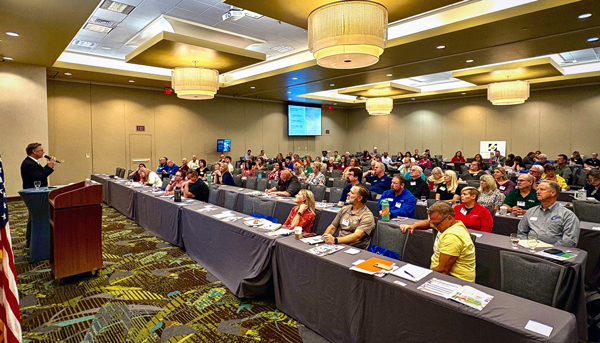
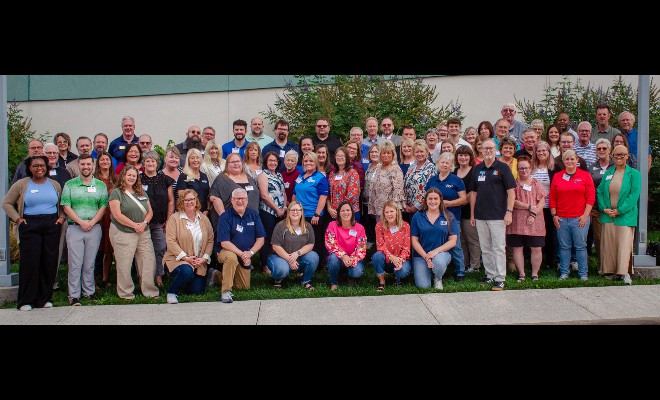
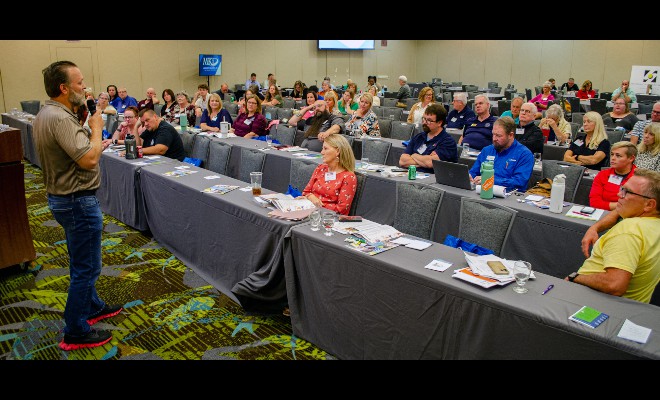
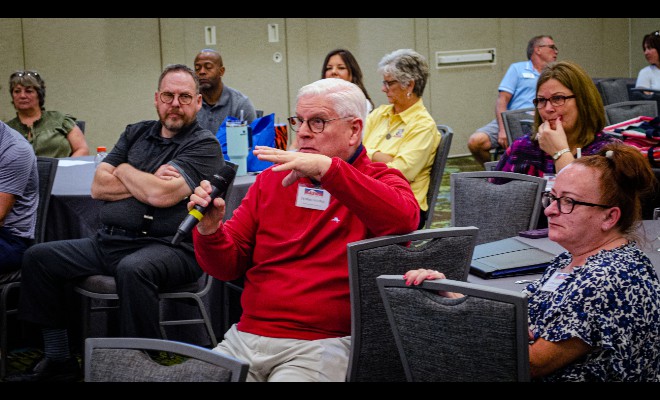
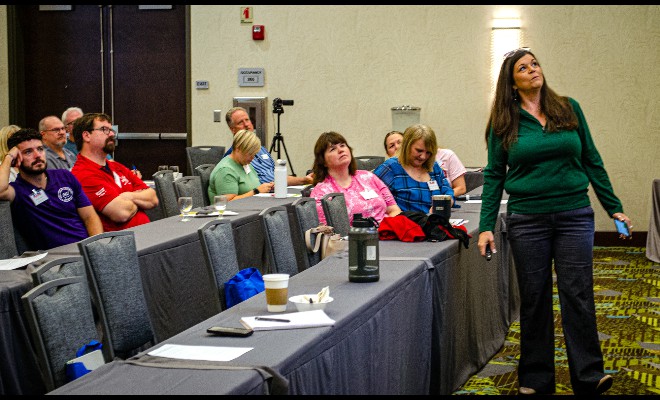
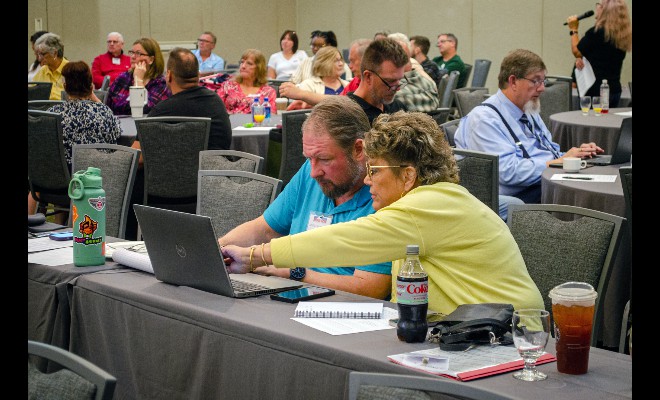
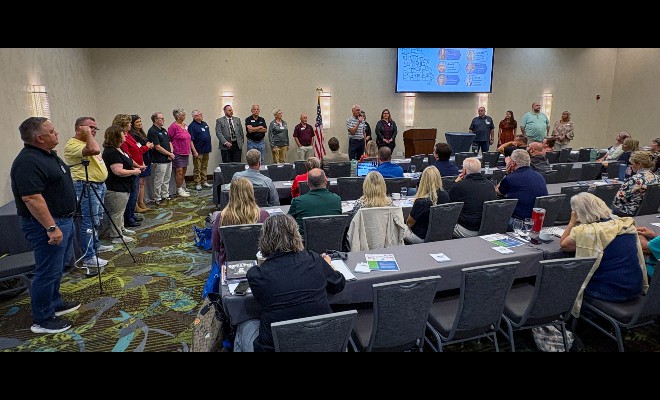
More than 100 workshop representatived attended the MASWM Fall 2025 Conference in Springfield. Mike Boone of Heffernan Insurance Brokers opened the sessions with a detailed talk to help workshops determine how to fund insurance without overspendiing.
Other Articles, Resources:
• Board Sets Key Dates
• Cybersecurity
Additional video and presentations are avvailable in the member only Resource Library.
Nuts and Bolts
Daily workshop challenges were also on the agenda. Mike Boone of Heffernan Insurance Brokers started Monday’s series of presentations. He provided an overview of different insurance types, claims management and development of a safety culture – important steps to ensure a workshop is not only covered, but affordably covered.
Vice President Lauren Hall and Past President Rob Libera presented information on Sheltered Workshop Insurance of Missouri (SWIM) and how it assists workshops with workman’s compensation coverage. One of the cooperative pool’s benefits is the return of payments when losses fall below income. Since its founding in 1993, the program has returned $3 million to its members.
Jon Lober, CEO of NOC Technologies, gave a wide-ranging talk on cybersecurity for workshops. He provided several free and low-cost steps workshops can follow to avoid what can be serious threats, starting with educating staff on email security basics. Although he recommended several relatively simple security steps, he stressed the need for care will not disappear.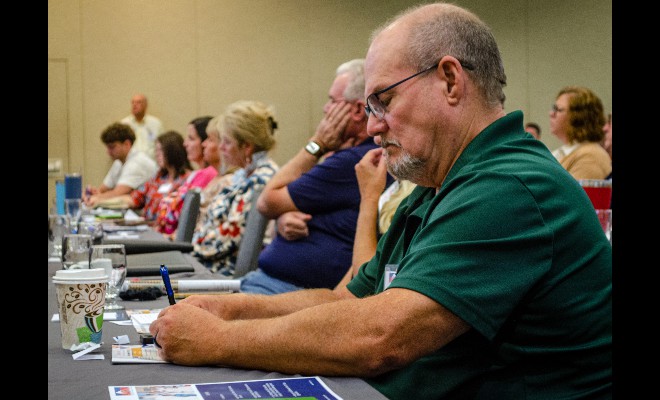
 1
1 2
2 3
3 4
4 5
5 6
6 7
7 8
8 9
9 10
10 11
11 12
12 13
13“Security is a journey,” Lober said. “You’ll never be where you can forget about it.” He also said the rise of artificial intelligence use in business is somewhat unavoidable but said employees should be cautioned about what they can enter as prompts without disclosing private and sensitive information.
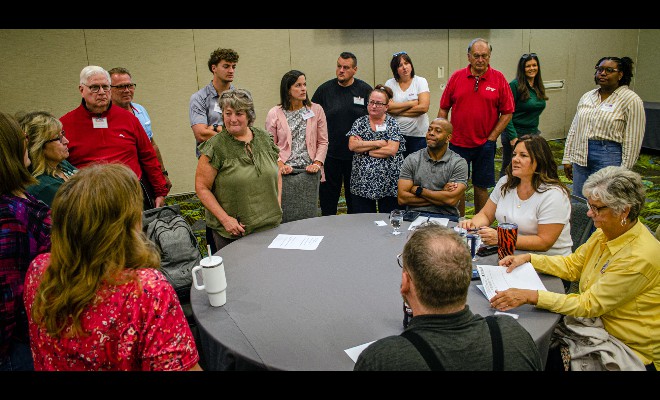
Maria Berra of Spoke Marketing discussed practical and actionable ideas that workshops can use to promote their goods and services. A highlight involved dividing participants into breakout groups that developed campaigns to raise funds and awareness. The winning group suggested a haunted house and earned $100 for their creative approach.
In the Trenches
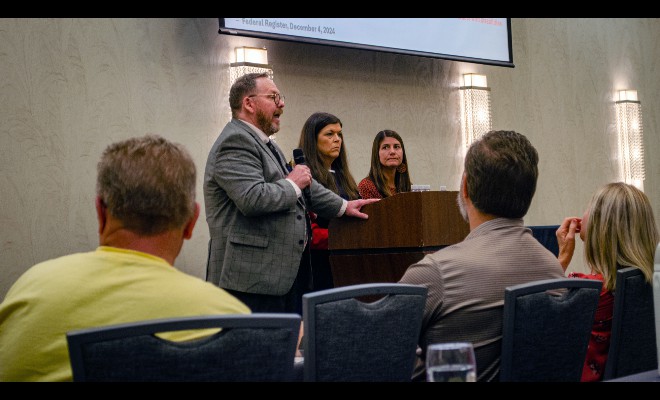
Legislative Chair Kit Brewer with Advocacy leaders Heather Pugh and Natalie Couch addressed the current federal landscape and reviewed their summer trip to Washington, D.C. where they met with leaders of the Department of Labor (DOL) and others.
They noted that 2025 began with a major threat to workshops nationwide, a DOL proposal initiated by the Biden administration to end 14(c) of the Fair Labor Standards Act. In many ways, those moves were the culmination of small but vocal opposition to workshops by self-proclaimed “disability advocates” who have argued that all individuals with disabilities can be served by community employment options.
Organizations like MASWM and the national Coalition for the Preservation of Employment Choice have steadily grown their efforts to battle these misconceptions. MASWM also works on related fronts.
“We’ve all got to play whatever role we can play,” Brewer said, adding that workshops must set an example. “And start by making sure your shop is compliant and meets all standards.”
Couch added that when advocacy efforts must be limited, key messages are still important. “You don’t always have to know every detail,” she said. “Just remember ‘employment choice’ and a few other things. That gets you started.”
Pugh said the group is working on a whitepaper to help by outlining key employment choice ideas. And while they can be a challenge, grassroots efforts are critical. “The December DOL proposal (to end 14(c)) was stopped dead in its tracks because of you,” she said.
Role Playing Practice
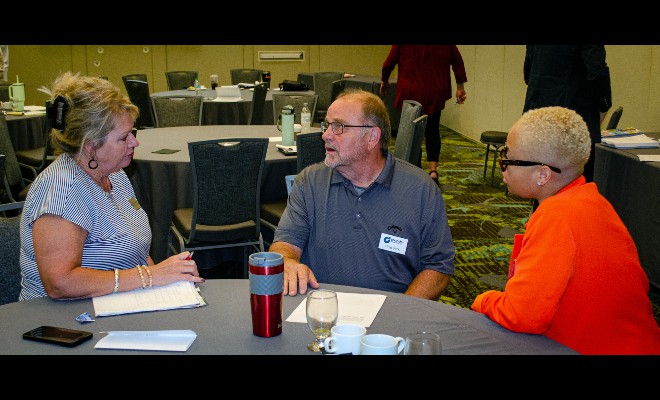
Other parts of the conference involved related topics, like the final breakout sessions Monday that focused on “Marketing, Awareness, and Fundraising.” Vicky James from Lafayette Industries and President Tim Poepsel led sessions that addressed techniques for no-cost fundraising and ideas for approaching the community.
On Tuesday morning, former legislator Cyndi Buchheit-Courtway discussed how to connect to legislators and suggested starting early and taking advantage of times when lawmakers are not in session. She recommended both inviting them for workshop tours and visiting their offices, bringing employees and clients when possible. Most of all, she stressed that legislators are, indeed, people.
“They are everyday people,” she said. “Get their background so you can talk to them. Type up something like a brochure to leave with them. In person is always the best because they remember that connection.”
Growing Grassroots
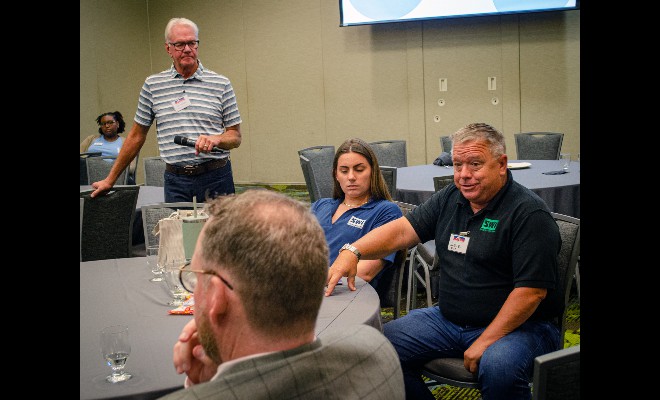
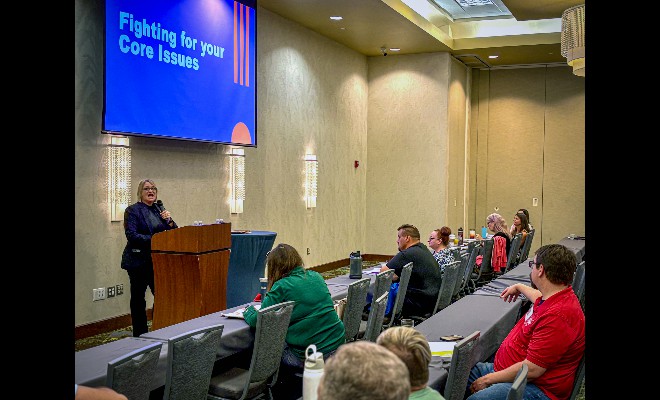
MASWM Advocacy Chair Heather Pugh later presented information on “Ramping Up Your Self-Advocacy Activity” with tips on how to manage time, reach different audiences and more. Pugh, Couch and Charlie Fischer led a question-and-answer session that involved managers discussing grassroots efforts and other techniques.
“Advocacy has to become a natural effort,” Pugh noted. “Advocacy is a daily practice. If you’re not making time for daily practice, there will be things that happen while we’re asleep.”
But delegating is imperative to avoid burnout with this demanding goal. “Delegation is critical,” Pugh said. “Many times, we feel like we’re drowning. Advocacy needs to be a priority, but you need to find help from employees, family members, community leaders and others.”
Brewer later noted that organization and written communications are important, but families of people with disabilities are a key in other ways. “There’s a time to get in the weeds,” he said. “But there’s most certainly a time for our individuals and families to say, ‘This will affect my job.’ They don’t have to know bill numbers or other details, but their message has real impact.”
In closing the meeting Tuesday, President Poepsel echoed those thoughts, stressing that workshop tours are a key. “Take the time to get them in your building,” he said of local, state and even federal leaders. “Teach them what we do, and open their eyes to things they may not have known.”